
HAVS: An Employer’s Guide to Hand-Arm Vibration Syndrome
HAVS, or hand-arm vibration syndrome, is damage to the nerves, blood vessels and joints of the hands and arms caused by regular use of vibrating tools and machinery. This guide explains what it is, what the law expects of employers, and what health surveillance for HAVS involves.
What is HAVS?
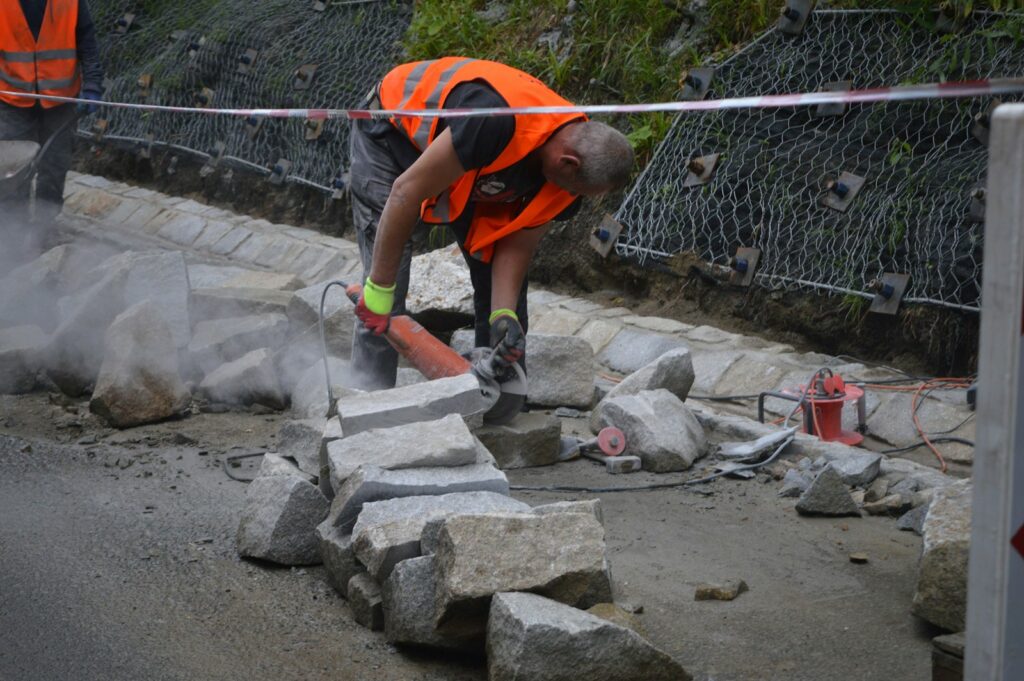
HAVS develops in people who use hand-held or hand-guided power tools and machinery over long periods. Typical symptoms are tingling and numbness in the fingers, reduced grip and dexterity, and fingers that turn white and painful in the cold. Early signs are easy to miss and easy to put down to something else. That is why detection is treated as part of the employer’s job and is not left to the employee to raise.
Who is at risk?
Anyone whose work involves regular, sustained use of tools such as grinders, breakers, drills, chainsaws, sanders and vibrating plates. The risk depends on how strong the vibration is and how long the employee is exposed each day, so two people using the same tool can be at very different levels of risk. That is why the risk assessment comes first.
What the law requires
The Control of Vibration at Work Regulations 2005 place duties on the employer. In summary, you must:
- Assess the risk from vibration exposure, and keep the assessment up to date.
- Reduce exposure. The regulations set a daily exposure action value of 2.5 m/s² A(8) and a daily exposure limit value of 5.0 m/s² A(8). At the action value you must put control measures in place. The limit value must not be exceeded.
- Provide health surveillance where there is a risk to health.
- Give employees information and training about the risks and the measures in place.
- Keep records, including risk assessments and health records for the employees under surveillance.
The Health and Safety Executive publishes the full requirements and an exposure calculator. Its page on the Control of Vibration at Work Regulations 2005 is the place to check the detail.
Where health surveillance fits
Health surveillance is planned, repeated checking of employees exposed to a hazard, carried out to detect early signs of ill health so that exposure can be controlled before harm becomes permanent. For HAVS, it does not replace controlling vibration at source. It tells you whether your controls are working for the people using the tools.
Our page on health surveillance sets out the wider legal picture and the other programmes we run.
What HAVS health surveillance involves
HAVS surveillance is tiered. It starts with screening questionnaires and moves through to formal clinical diagnosis and fitness advice for those who need it, so most employees complete the early stage quickly and only some need a fuller clinical assessment. Our clinical lead holds HAVS Tier 3 and Tier 4 accreditation, so diagnostic assessments are carried out in house rather than referred on. You can read more about Dr Kumar on his profile.
For the employer, what comes out of it is:
- Individual fitness advice to the employee and their manager, describing what work is and is not suitable.
- Anonymised group reporting for your health and safety team, showing patterns across a team or a site. This is how you find out whether a particular tool or task is causing a problem.
- Records retained for the periods the regulations require.
When an employee reports symptoms

A report of symptoms is a prompt to act, not only to refer. Review the risk assessment for the tool or task involved, look at whether exposure can be reduced, and arrange a clinical assessment for the employee. Where the outcome will inform a management decision, a management referral is the right route: see our guide to occupational health referrals. Where the outcome is a fitness or adjustment question, the same principle applies as in any other case: the clinician advises on what the employee can do, and the employer decides what happens next. Our guide to occupational health assessments explains the difference between a one-off assessment of an individual and health surveillance of a group.
Common mistakes
- Treating surveillance as a substitute for controlling exposure. It is not. It tells you whether the controls are working.
- Letting the programme drift. Many employers have a risk assessment and no surveillance, or a programme set up years ago that has not kept pace with the tools and tasks now in use.
- Not tying surveillance to the risk assessment. Who is in the programme should follow from the assessment of who is at risk, not from a job title.
How we deliver HAVS surveillance
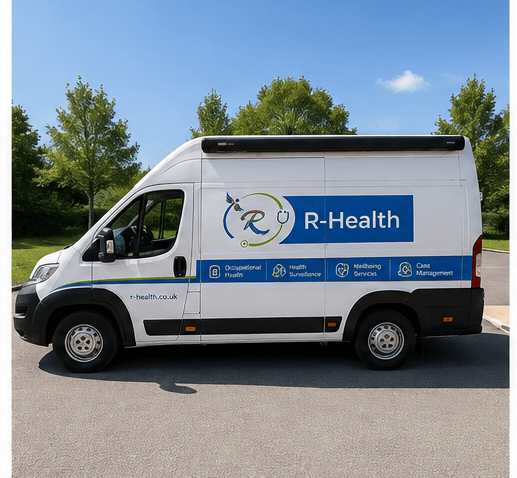
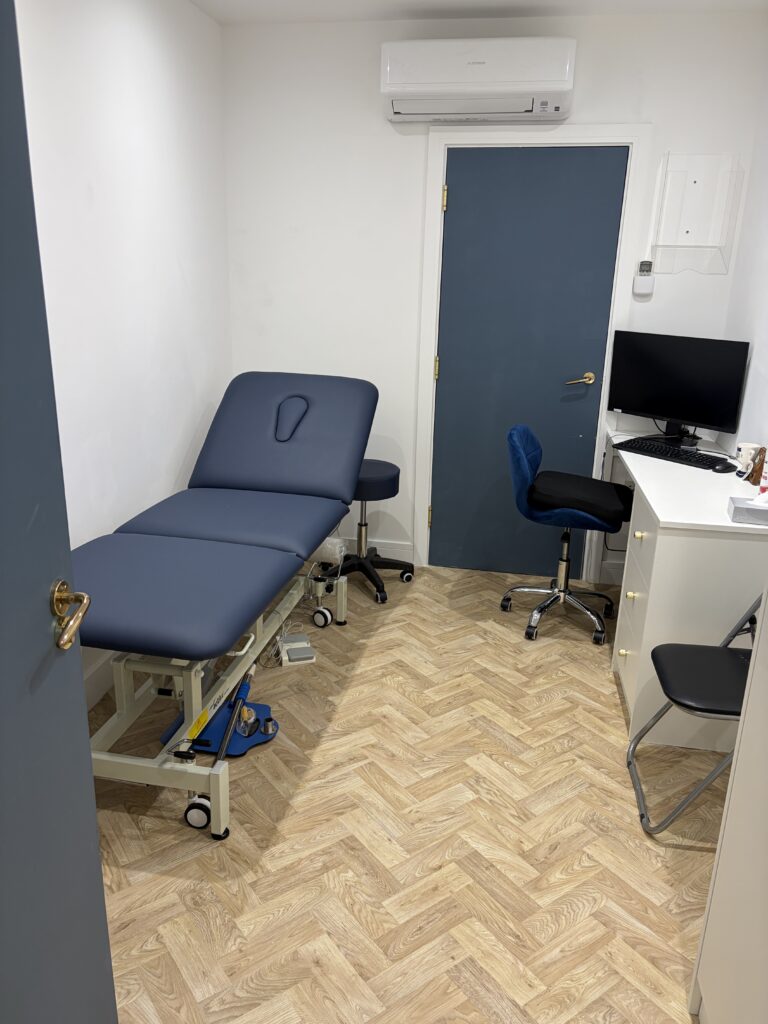
We run HAVS surveillance on your site through our mobile health surveillance unit, which cuts travel time and keeps shift patterns intact, or at our clinic in Edgware, north-west London. Programmes are designed and overseen by consultant occupational physicians.
Frequently asked questions
Does every employee who uses a vibrating tool need HAVS health surveillance?
Not automatically. The regulations require health surveillance where there is a risk to health, and your risk assessment is what identifies that. If you are unsure who should be in the programme, we can review the risk assessment with you.
Is health surveillance a substitute for reducing vibration?
No. Surveillance detects early signs of ill health. It does not remove the cause. Controlling exposure at source remains the primary duty.
Who sees the results?
The employee and their manager receive individual fitness advice. Your health and safety team receives anonymised group-level reporting. We retain health records for the periods the regulations require.
Can you carry out HAVS surveillance at our site?
Yes. Our mobile unit brings screening to the workplace, and we also see individuals and small groups at our clinic in Edgware.
How often does surveillance need to happen?
The programme is set from your risk assessment and the clinician’s advice, and we agree it with you when the programme is put in place.
Setting up HAVS surveillance with R-Health
Most employers come to us with a risk assessment and no surveillance programme, or a programme that has drifted out of date. We review what your risk assessment identifies, tell you what the law requires, and quote for the surveillance that follows from it. Talk to us about a HAVS surveillance programme.